


- Overview
- Trip Outline
- Trip Includes
- Trip Excludes
- Gallery
- Reviews
- FAQ
Kedarnath Badrinath Yatra: Complete 2026 Guide to Route, History, Significance, Travel Plan & Essential Tips
The Kedarnath–Badrinath Yatra is one of the most sacred Himalayan pilgrimages in India. Every year, lakhs of devotees travel to the Garhwal Himalayas of Uttarakhand to seek blessings at Kedarnath Temple and Badrinath Temple. These two holy shrines form an important part of the revered Char Dham circuit, which also includes Yamunotri and Gangotri.
This spiritual journey is not just about visiting temples. It is about devotion, endurance, mythology, Himalayan beauty, and self-discovery. Surrounded by towering snow peaks, flowing rivers, and ancient legends, the Kedarnath–Badrinath Yatra offers a rare blend of faith and nature.
Kedarnath–Badrinath Yatra Religious Significance
Kedarnath: The Sacred Jyotirlinga of Lord Shiva
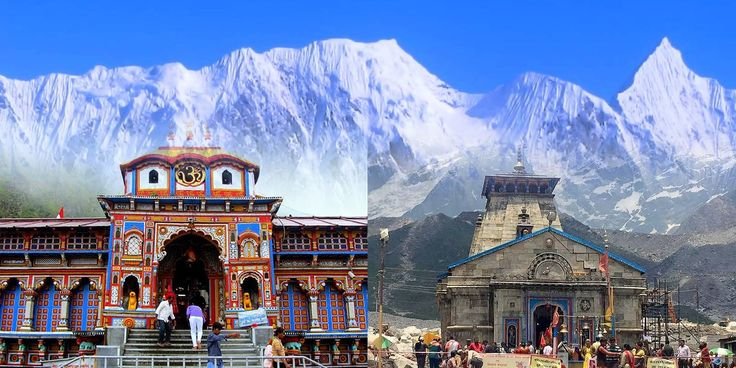
Kedarnath is one of the twelve Jyotirlingas of Lord Shiva and holds immense importance in Hindu tradition. Located at an altitude of about 3,583 meters, the temple stands against the dramatic backdrop of the Kedarnath range.
According to mythology, after the Mahabharata war, the Pandavas sought Lord Shiva’s forgiveness for killing their relatives. Shiva avoided them and took the form of a bull. When Bhima tried to catch him, the bull disappeared into the ground. The hump appeared at Kedarnath, and other body parts emerged at different places known collectively as Panch Kedar.
The temple is believed to have been originally built by the Pandavas and later revived by Adi Shankaracharya in the 8th century. Despite facing natural calamities, including the devastating floods of 2013, the shrine remains a powerful symbol of resilience and faith.
Read this Blog to know more- Kedarnath Complete guide
Badrinath: The Divine Abode of Lord Vishnu
Badrinath is dedicated to Lord Vishnu in his form as Badri Narayan. Situated at an altitude of 3,133 meters along the Alaknanda River, it is one of the most important Vaishnavite shrines in India.
Legend says Lord Vishnu meditated here for thousands of years. Goddess Lakshmi took the form of a Badri tree to protect him from harsh weather, giving the place its name. Adi Shankaracharya rediscovered the idol in the Alaknanda River and established the temple in the 8th century.
Together, Kedarnath and Badrinath represent the harmony between Shaivism and Vaishnavism, making this yatra spiritually unique.
Geographical Location and Scenic Beauty
The Kedarnath–Badrinath Yatra takes place in the Garhwal region of Uttarakhand. The journey passes through deep valleys, glacial rivers, waterfalls, and alpine forests.
Kedarnath lies near the Mandakini River, surrounded by towering Himalayan peaks like Kedarnath Dome and Bharatekuntha. The atmosphere here feels raw and divine. The silence of the mountains adds to the spiritual experience.
Badrinath, on the other hand, is located between Nar and Narayan mountain ranges. The Neelkanth peak creates a majestic backdrop behind the temple. The Tapt Kund, a natural hot water spring near the temple, is considered sacred for ritual bathing before darshan.
The scenic beauty during the journey makes this pilgrimage visually unforgettable.
Kedarnath–Badrinath Yatra Route Guide
Most pilgrims start their journey from Haridwar or Rishikesh. The typical route includes:
Haridwar/Rishikesh → Guptkashi → Sonprayag → Gaurikund → Kedarnath → Joshimath → Badrinath → Rishikesh
Kedarnath Route Details
Vehicles go up to Sonprayag. From there, pilgrims travel to Gaurikund, which is the starting point of the 16–18 km trek to Kedarnath. The trek can be completed by walking, pony, palki, or helicopter service.
The trekking route is well-maintained and offers medical facilities, food stalls, and rest points. Helicopter services operate from Phata, Guptkashi, and Sersi for those seeking a quicker option.
Badrinath Route Details
Unlike Kedarnath, Badrinath is directly accessible by road. The drive passes through Joshimath, a major town that serves as a base for many Himalayan pilgrimages.
The road journey to Badrinath is scenic but mountainous. Travelers are advised to start early in the morning to avoid landslide-prone zones during the monsoon season.
Best Time to Visit Kedarnath and Badrinath
The temples open every year around April or May and close around October or November due to heavy snowfall.
Summer (May to June)
This is the peak pilgrimage season. The weather remains pleasant, with daytime temperatures ranging between 10°C and 20°C. Clear skies provide stunning Himalayan views.
Monsoon (July to September)
Travel during monsoon is risky due to landslides and heavy rainfall. However, the landscape becomes lush green and beautiful.
Autumn (September to October)
This is one of the best times to visit. The weather is stable, the crowd reduces, and mountain views are crystal clear.
Winter travel is not possible as both temples remain closed and idols are shifted to winter seats.
Accommodation Options During the Yatra
Accommodation ranges from budget guesthouses to deluxe hotels.
In Kedarnath, options are limited and mostly basic. GMVN guesthouses, dharamshalas, and tented camps are available. Advance booking is highly recommended during peak season.
In Badrinath, you will find better facilities, including hotels, lodges, and ashrams. Joshimath also offers comfortable stay options.
For a smoother experience, booking a Kedarnath–Badrinath tour package is recommended, as it includes accommodation, meals, and transport.
Registration and Travel Requirements
The Uttarakhand government mandates online registration for Char Dham Yatra. Biometric registration ensures safety tracking and crowd management.
Carry valid ID proof and multiple photocopies. Medical fitness is important, especially for senior citizens and those trekking to Kedarnath.
You can Directly register through here- Chardham Registration
Weather Conditions and Packing Guide
Weather in the Himalayas changes quickly. Even during summer, nights are cold.
Essential items include:
-
Warm clothes
-
Rain jacket
-
Trekking shoes
-
Woolen cap and gloves
-
Sunscreen and sunglasses
-
Personal medicines
-
Power bank
Proper preparation ensures a comfortable journey.
Helicopter Services for Kedarnath
Helicopter services operate from multiple helipads including Phata, Guptkashi, and Sersi. These services significantly reduce travel time and are ideal for elderly pilgrims.
Advance booking is essential as tickets sell out quickly during peak season.
Spiritual Experience and Rituals
In Kedarnath, devotees perform Abhishek and Rudrabhishek rituals early in the morning. Special darshan tickets are available for closer worship.
In Badrinath, the Maha Abhishek and Vishnu Sahasranama path are popular rituals. The evening aarti in both temples is spiritually uplifting and worth attending.
The chanting of mantras, ringing temple bells, and surrounding Himalayan silence create a powerful atmosphere of devotion.
Safety Tips for Pilgrims
-
Travel in groups when possible.
-
Avoid trekking at night.
-
Stay hydrated.
-
Check weather updates regularly.
-
Follow local administration guidelines.
Respect the fragile Himalayan ecosystem. Avoid plastic and keep surroundings clean.
Why Kedarnath–Badrinath Yatra is Life-Changing
This pilgrimage is not only about religion. It teaches patience, humility, endurance, and gratitude. The physical effort required for Kedarnath, combined with the serene beauty of Badrinath, makes the journey deeply transformative.
Standing before ancient temples surrounded by mighty mountains reminds pilgrims of nature’s power and divine presence.
Conclusion
The Kedarnath–Badrinath Yatra is one of the most sacred and inspiring journeys in India. With deep mythological roots, breathtaking Himalayan scenery, and powerful spiritual energy, it attracts millions every year.
Proper planning, correct timing, and physical preparation can make your pilgrimage smooth and memorable. Whether you travel by road, trek to Kedarnath, or opt for helicopter services, this journey promises blessings, peace, and unforgettable memories.
If you are planning your Kedarnath–Badrinath Yatra in 2026, start preparations early, register on time, and travel responsibly. The Himalayas are calling — and the divine awaits.
Yatra Overview
-
Duration: 7 Days / 6 Nights
-
Starting Point: Haridwar / Rishikesh
-
Total Distance (Road): Approx. 900–950 km round trip
-
Best Time: May–June & September–October
Itineraries
Day 1
Delhi → Haridwar
Early morning departure from Delhi then Evening Ganga Aarti at Har Ki Pauri and Overnight stay in Haridwar
Day 2
Haridwar → Guptkashi / Phata
Morning drive through Rishikesh – Devprayag– Rudraprayag .Enjoy views of Alaknanda & Mandakini rivers then Reach Guptkashi/Phata by evening and Overnight stay.
Day 3
Guptkashi / Phata → Kedarnath
Early morning drive to Sonprayag /Gaurikund then trek (16 km) or helicopter to Kedarnath Visit Kedarnath Temple & evening Aarti and Overnight stay near Kedarnath.
Day 4
Kedarnath → Guptkashi / Phata
Morning darshan at Kedarnath then trek / helicopter back to gaurikund Drive to Guptkashi/ Phata and Overnight stay in hotel.
Day 5
Guptkashi / Phata → Badrinath
Scenic drive via Joshimath Visit Narsingh Temple (Joshimath) and Reach Badrinath in Evening then witness Badrinath Temple Aarti.
Day 6
Badrinath → Rishikesh
Morning darshan at Badrinath Temple Visit Mana Village, Tapt Kund, Vyas Gufa Drive back to Rishikesh.
Day 7
Rishikesh → Delhii
Morning departure from Rishikesh to Delhi. Reach Delhi by evening with divine memories .
- Accommodation on double/triple sharing basis
- Daily breakfast & dinner (pure vegetarian)
- All transportation as per itinerary
- Experienced hill driver
- Fuel, toll, parking & driver allowance
- Dham Registration.
- Complete yatra assistance
- Helicopter, pony, palki or mule charges
- Medical & emergency expenses
- Personal expenses & tips
- Lunch or meals not mentioned
- Extra cost due to natural calamities

The best time is May to June and September to October. Weather remains stable and roads are safer during these months.
Yes, Char Dham registration is compulsory for visiting Kedarnath Temple and Badrinath Temple.
The Kedarnath trek is 16–18 km one way from Gaurikund. It is moderate in difficulty and requires basic fitness.
Yes, but medical fitness is important. Helicopter services are available for Kedarnath.
A comfortable trip requires 6 to 7 days from Haridwar or Delhi.
Yes, Badrinath is directly accessible by motorable road via Joshimath.
Carry warm clothes, rain gear, trekking shoes, medicines, ID proof, and power bank.
There are no reviews yet.