A Kedarkantha journey with The Himalayan Hikes brought President Award recipient Ayush Verma’s drug-prevention awareness work into the mountain conversation. Here is the route, the shared purpose and what trekkers can learn from travelling responsibly.
A Kedarkantha journey with a purpose beyond the summit
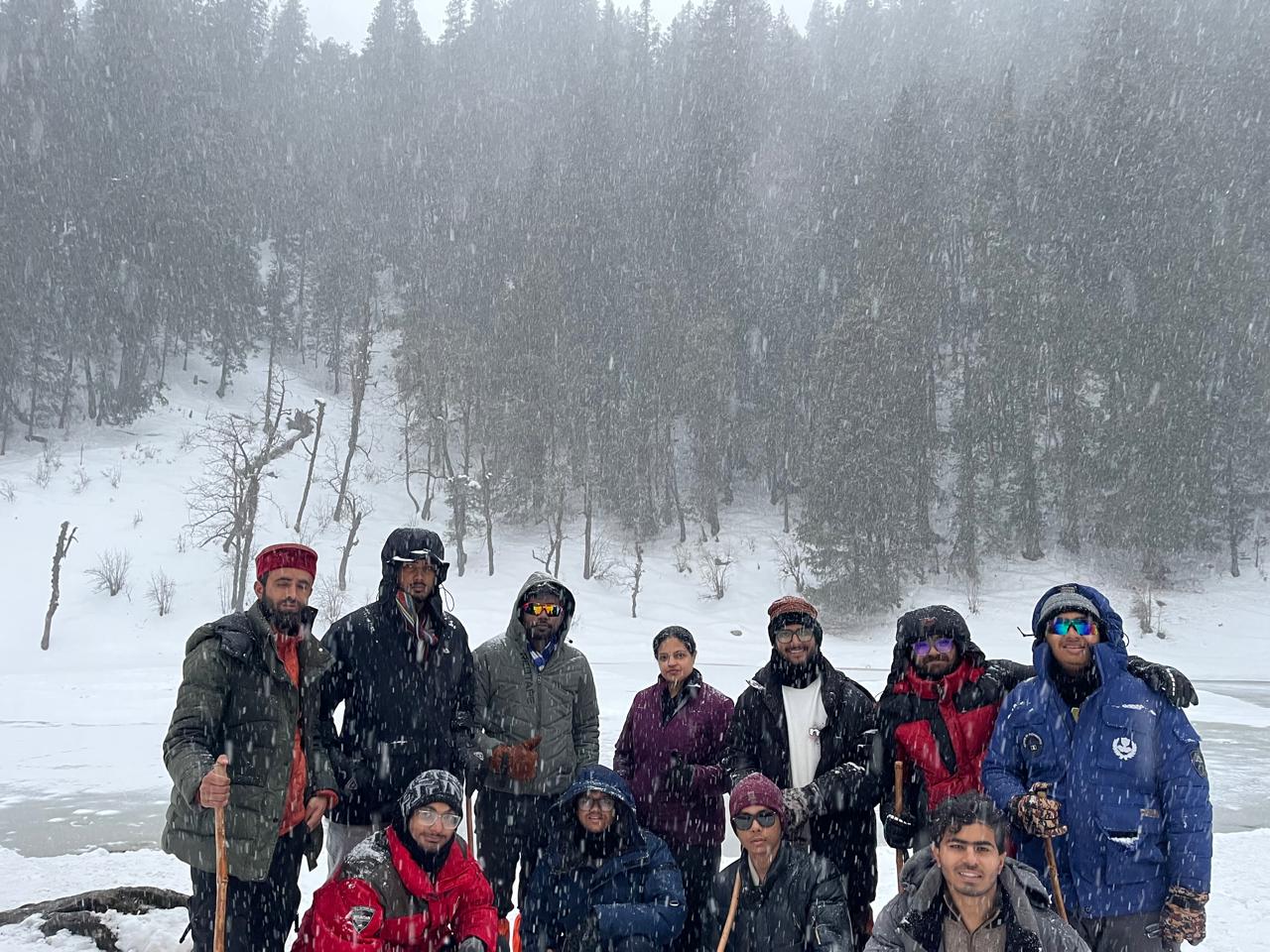
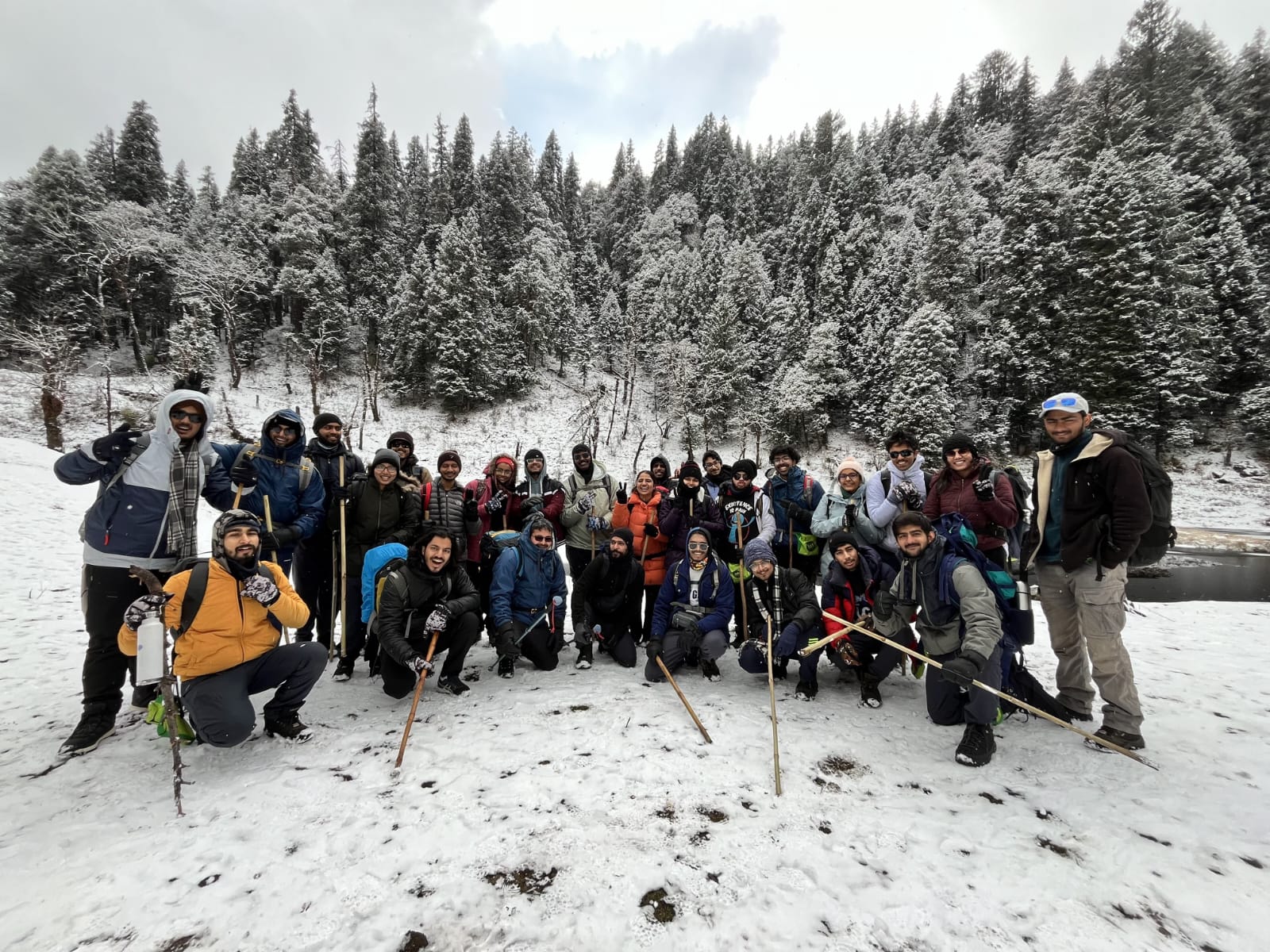
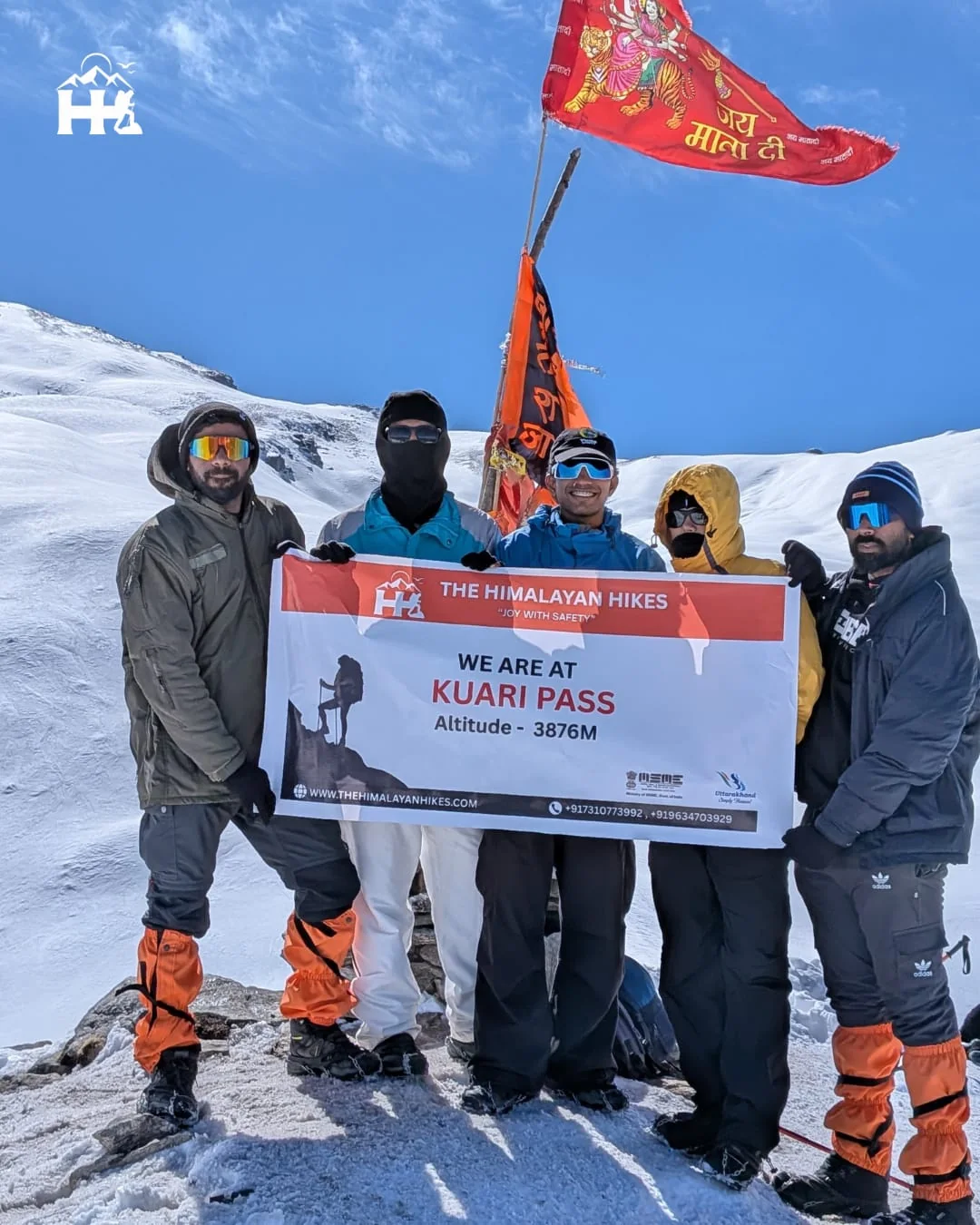
A summit gives a trek a destination. The people and choices along the way give it meaning. When President Award recipient Ayush Verma travelled with The Himalayan Hikes on Kedarkantha, the journey connected a classic Himalayan route with a shared commitment to responsible, drug-free trekking.
Ayush has run a drug-prevention awareness initiative, encouraging young people and trekkers to make healthier choices. Our founder, Nikhil Gusain, has supported this work through the Drug-Free Himalayas message. The aim is simple: let the mountains be a place for clear minds, respect, effort and connection. You can see
Ayush’s original Instagram post about the initiative and learn more about our
team’s story and values.
This is a team-told account, not a word-for-word interview. The route outline below follows our current Kedarkantha trek page; day-specific conditions and experiences vary by departure.
Kedarkantha trek at a glance
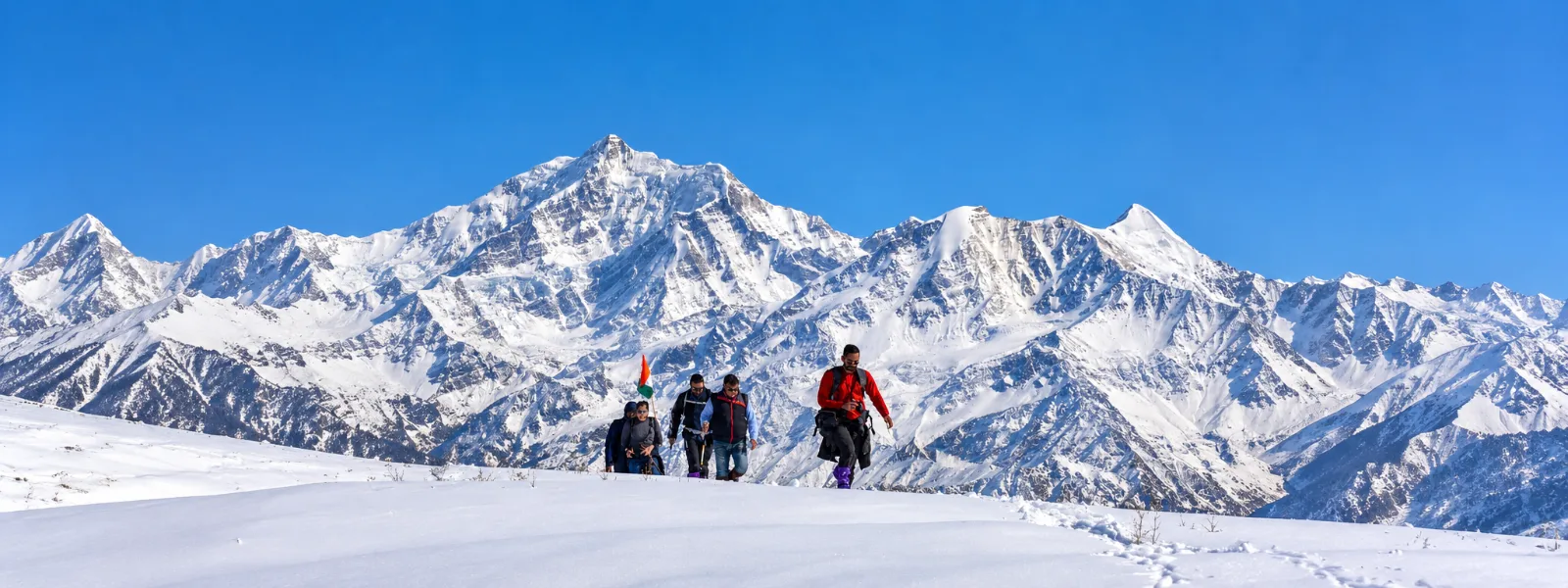
Our current Kedarkantha page lists a five-day trek from Dehradun, with Sankri as the base village. The route is graded easy to moderate, covers approximately 20–23 kilometres on foot and reaches about 3,810 metres at its highest point. The page lists autumn and winter as the best seasons.
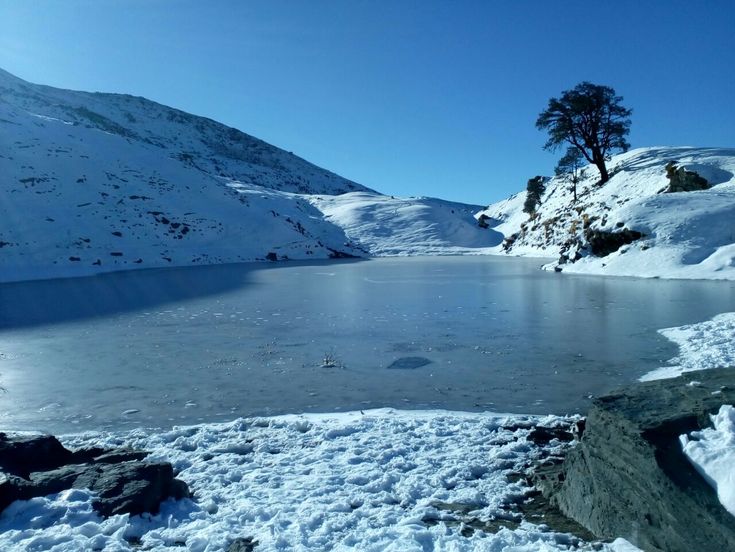
The path moves through pine forest, the Juda ka Talab area, open slopes and a summit-focused day. For the latest dates, inclusions, meeting point and booking details, use the
Kedarkantha trek page.
The five-day Kedarkantha itinerary, from Dehradun to Dehradun
Day 1 — Dehradun to Sankri: Meet at the confirmed pickup point in Dehradun and drive to Sankri. This is a long road journey through Uttarakhand; arrive ready to rest and listen to the trek briefing.
Day 2 — Sankri to Juda ka Talab: Begin the climb through pine forest and around streams, heading towards Juda ka Talab. The current page describes a roughly four-kilometre walking day that takes about five hours, reaching approximately 9,100 feet.
Day 3 — Juda ka Talab to Kedarkantha base: Continue across forested ridges and meadow sections towards base camp. Keep a steady pace and follow the trek leader’s instructions as the group gains height.
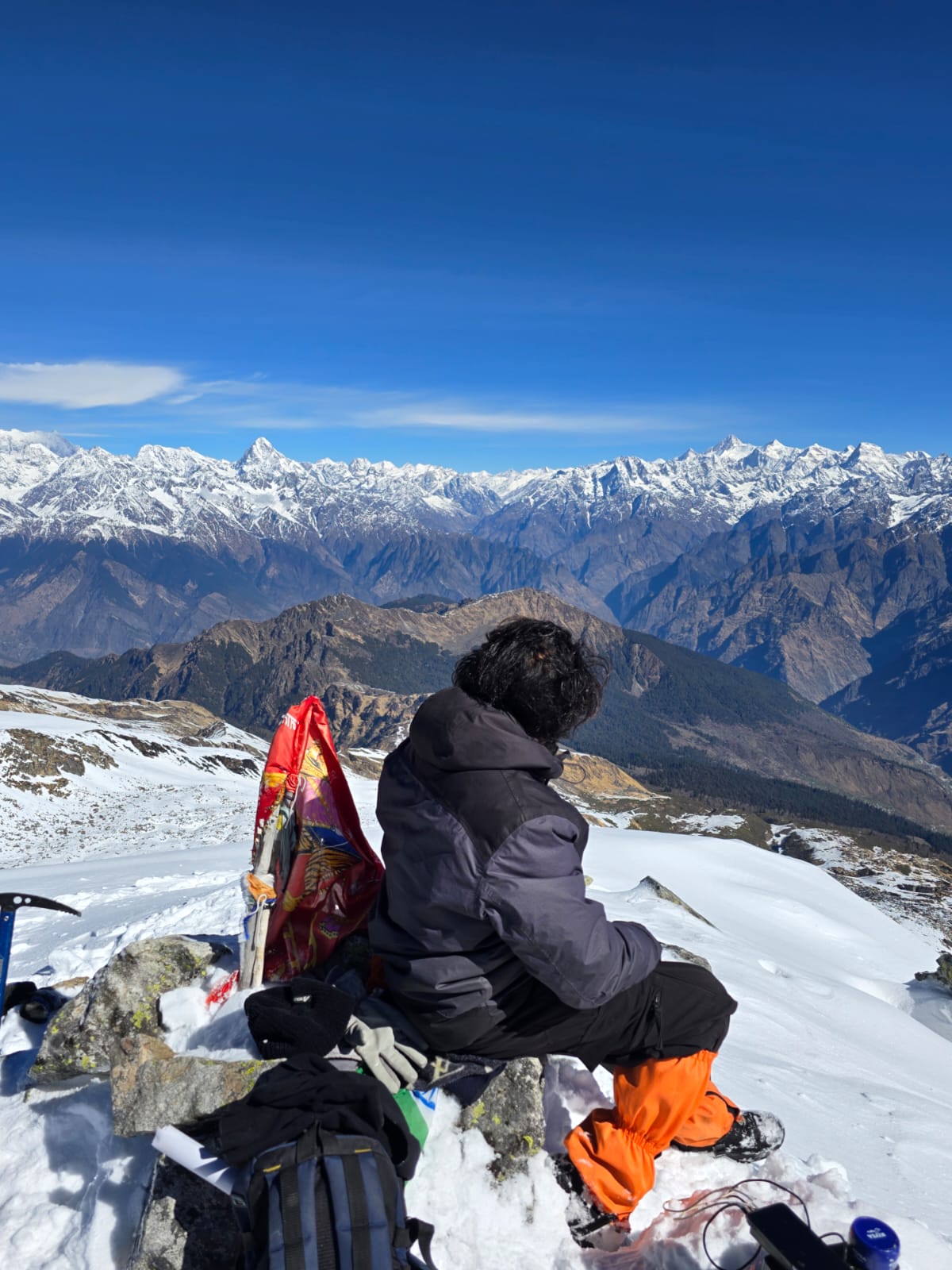
Day 4 — Summit attempt, then descend to Juda ka Talab: The trek page outlines a roughly six-kilometre summit day of about seven hours, including the climb and descent. The summit attempt depends on weather, snow and the group’s condition. The leader can change the plan for safety.
Day 5 — Juda ka Talab to Sankri, then drive to Dehradun: Descend through the forest to Sankri; the route page lists about six kilometres and around seven hours for this section, followed by the road journey back to Dehradun. Leave a buffer before onward travel.
What a responsible trek asks of the group
High-altitude trekking is a shared effort. The group walks at a pace set for the trail, looks out for signs that someone may be struggling, and listens when the trek leader adjusts the plan. On a summit day, turning around can be the right decision. Reaching the top is never more important than returning safely.
Ayush’s awareness work adds another part to that conversation: a mountain trip should support healthy, thoughtful choices. A drug-free trail is safer for trekkers and more respectful of the communities and landscapes that host us. Our
Drug-Free Himalayas initiative reflects that belief.
The views, the weather and the snow: keep expectations flexible
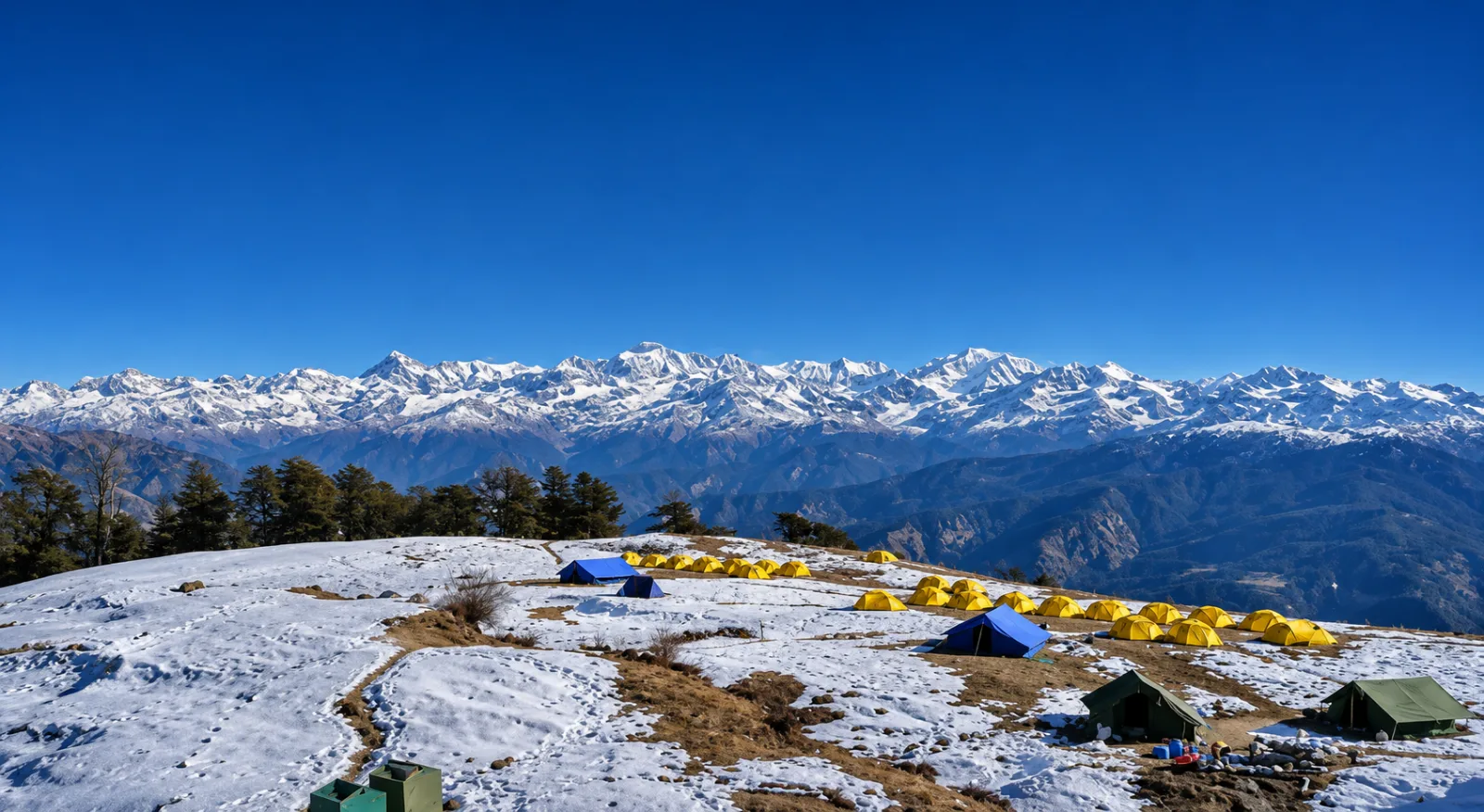
Kedarkantha is known for its forest paths, Juda ka Talab and the possibility of broad mountain views from higher ground. What you see depends on the day’s visibility and conditions. Winter can bring snow, but snow cover is not guaranteed for a particular date, and fresh or icy conditions can make walking slower.
Our trek page lists autumn and winter. Ask the team for a recent update for your dates, and be prepared for a route or timing change if weather or trail conditions require it. Come ready for the experience, not attached to one photograph.
How to prepare for the Kedarkantha trek
Build a regular walking routine before departure, add gentle uphill practice where possible, and break in your trekking shoes. Pack warm layers for cold camps, a windproof and waterproof outer layer, gloves, a warm cap, sunglasses, a headlamp, a refillable bottle and personal medication. Use the final kit list on the
Kedarkantha trek page and confirm which technical items the team provides.
Tell the team about relevant health concerns before booking. If you have a medical condition or questions about altitude, speak with a qualified clinician. At altitude, be honest about how you feel and tell your trek leader early if something is wrong.
Questions trekkers ask about Kedarkantha
How long is the Kedarkantha trek? The current The Himalayan Hikes itinerary is five days, with travel from Dehradun and back.
What is the Kedarkantha summit altitude? Our trek page lists approximately 3,810 metres.
How difficult is Kedarkantha? The route is graded easy to moderate, but it includes altitude and a long summit day. Prepare for several hours of walking and follow the trek leader’s safety decisions.
Will there be snow? Winter snow is possible, but conditions change each year and by date. Ask for a recent trail update; no one can guarantee snow on a specific departure.
Where does the trek start? The current plan meets in Dehradun and travels by road to Sankri. Confirm the reporting time and location for your booking.
What is Ayush Verma’s initiative? Ayush has run a drug-prevention awareness initiative. Our team supports a drug-free, safer trekking culture and shares the message through its work with trekkers.
Take the mountain spirit home with you
The summit is a moment; the habits we carry into the mountains matter for longer. Walk with care, look after the people around you, respect local guidance and leave the trail as clean as you found it. Those are small choices that make a trek better for everyone.
We are grateful to Ayush Verma for bringing his initiative into the conversation around Himalayan trekking. If Kedarkantha feels like the right journey for you, explore the
current trek details and available dates or
talk with our team about your group and preparation.
KEEP EXPLORINGLet the mountains teach you more.
Explore a thoughtful Himalayan journey with our local team.
Explore our treks ↗ 
 Nepal trek planning
 Trek planning
 Trek planning
 Trek planning
 Trek planning
 Trek planning
 Trek planning
