Planning the Kedarkantha trek in Uttarakhand? I’m Nikhil Gusain, founder of The Himalayan Hikes. This practical guide covers the best time to go, a realistic six-day route, difficulty, budget checks and what to pack—so you can plan for the whole journey, not only the summit photo.
Kedarkantha at a glance: the route, height and duration
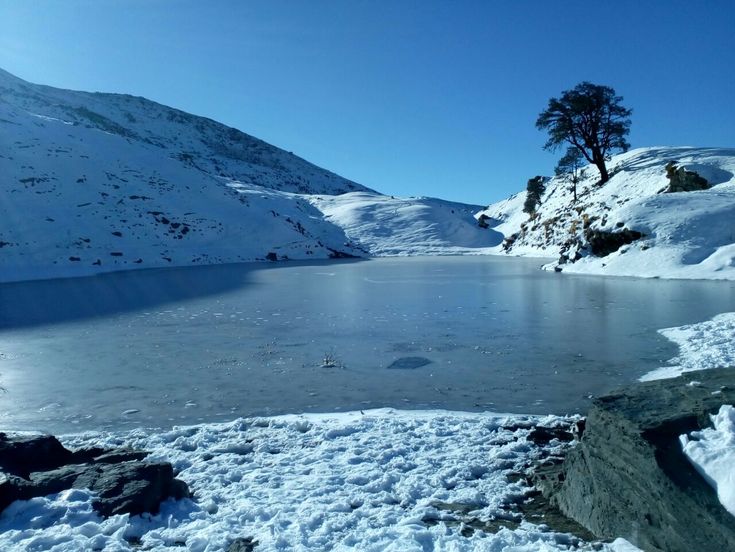
Kedarkantha is a high-altitude summit trek in Uttarkashi district, reached through the Sankri area of Uttarakhand. The summit is about 3,800 metres (12,500 feet). Uttarakhand Tourism lists a six-day itinerary of roughly 20 kilometres, with Sankri, Juda Lake and Kedarkantha among the route highlights. Those figures are a useful planning reference; your trek operator’s route, campsite sequence and daily distances may differ.
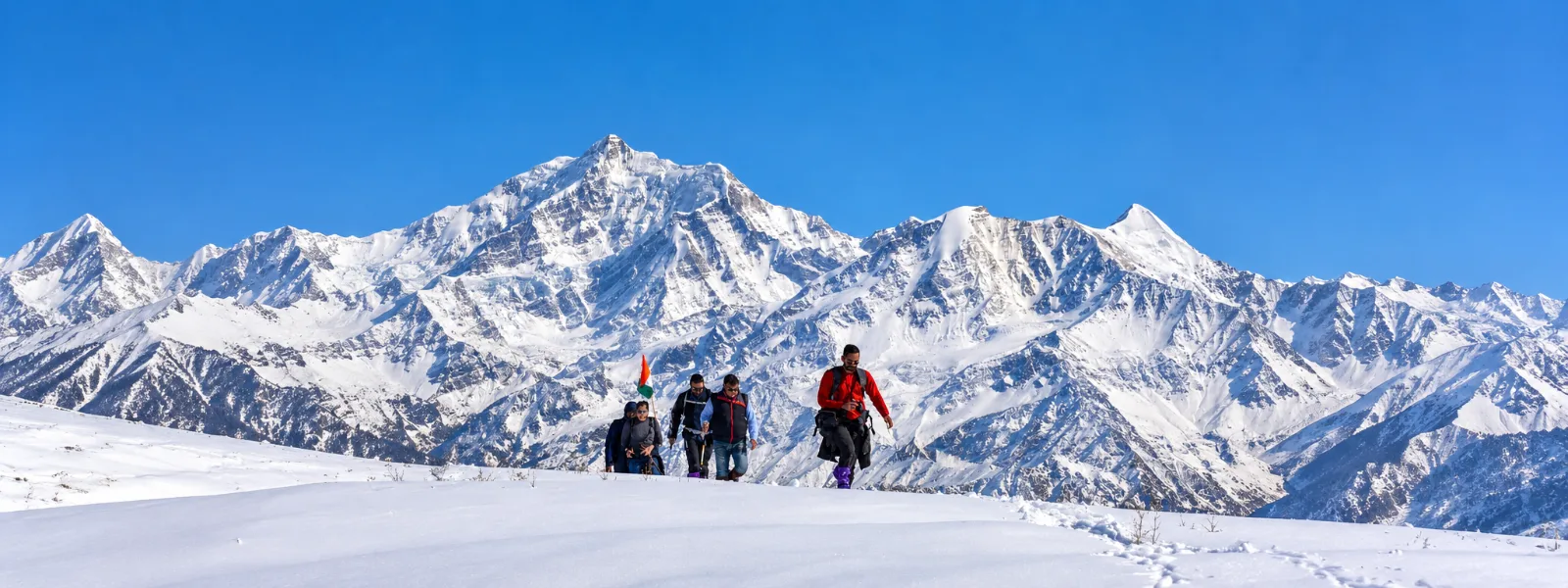
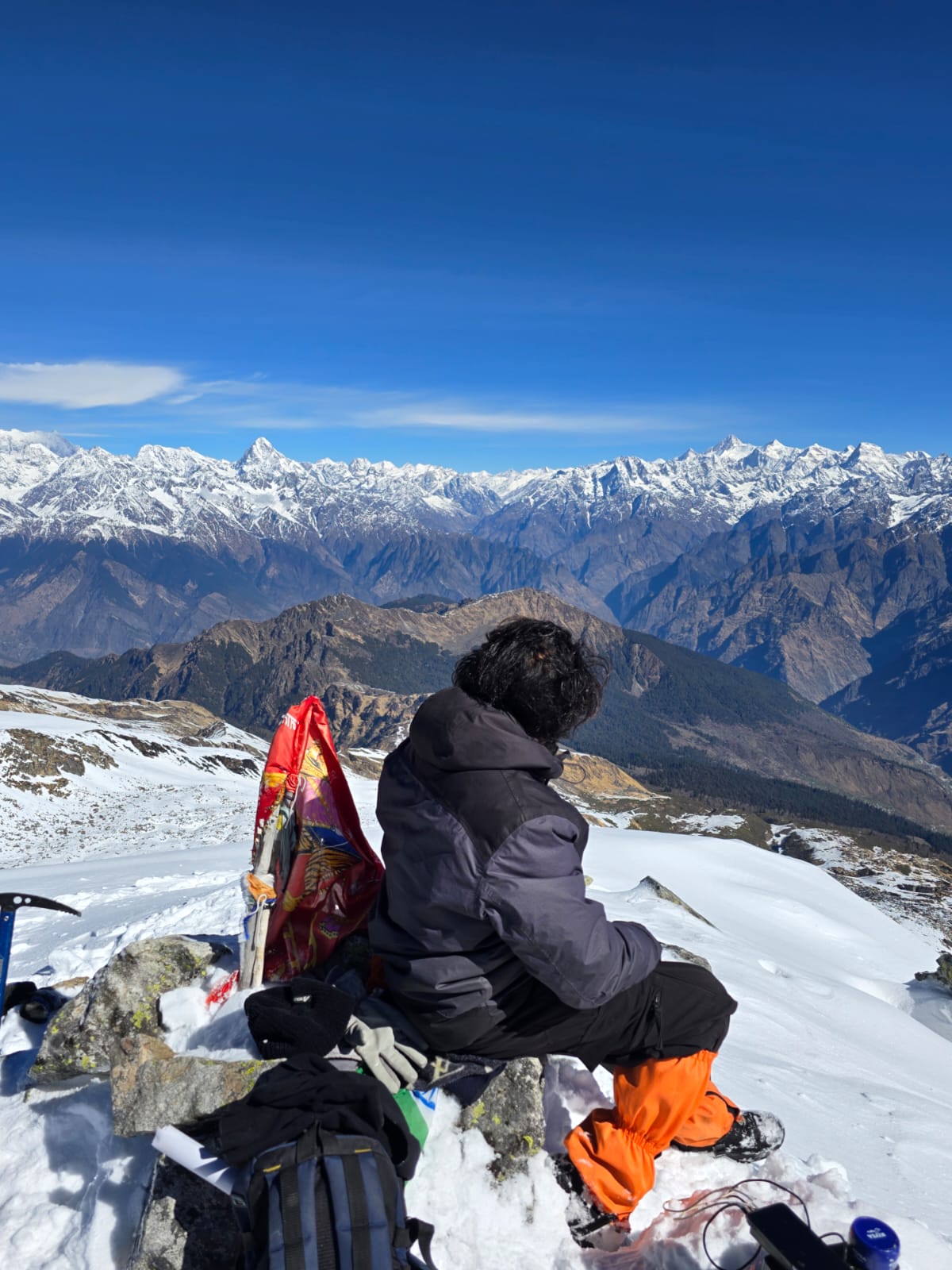
The trail is loved for the changing scenery: village paths, oak and pine forest, open camps and a summit morning with wide Himalayan views when the weather allows. In winter, snow can transform the walk and make the same trail slower and more demanding.
If this is your first Himalayan trek, start by reading the route details and asking what is included in your specific departure. You can compare dates and booking details on our
Kedarkantha trek page. For a government itinerary reference, see the
Uttarakhand Tourism Development Board guide.
Best time for the Kedarkantha trek: choose the month for your kind of trip
There is no single best month for every trekker. Choose the season by the experience you want, and remember that snowfall and trail conditions change from year to year.
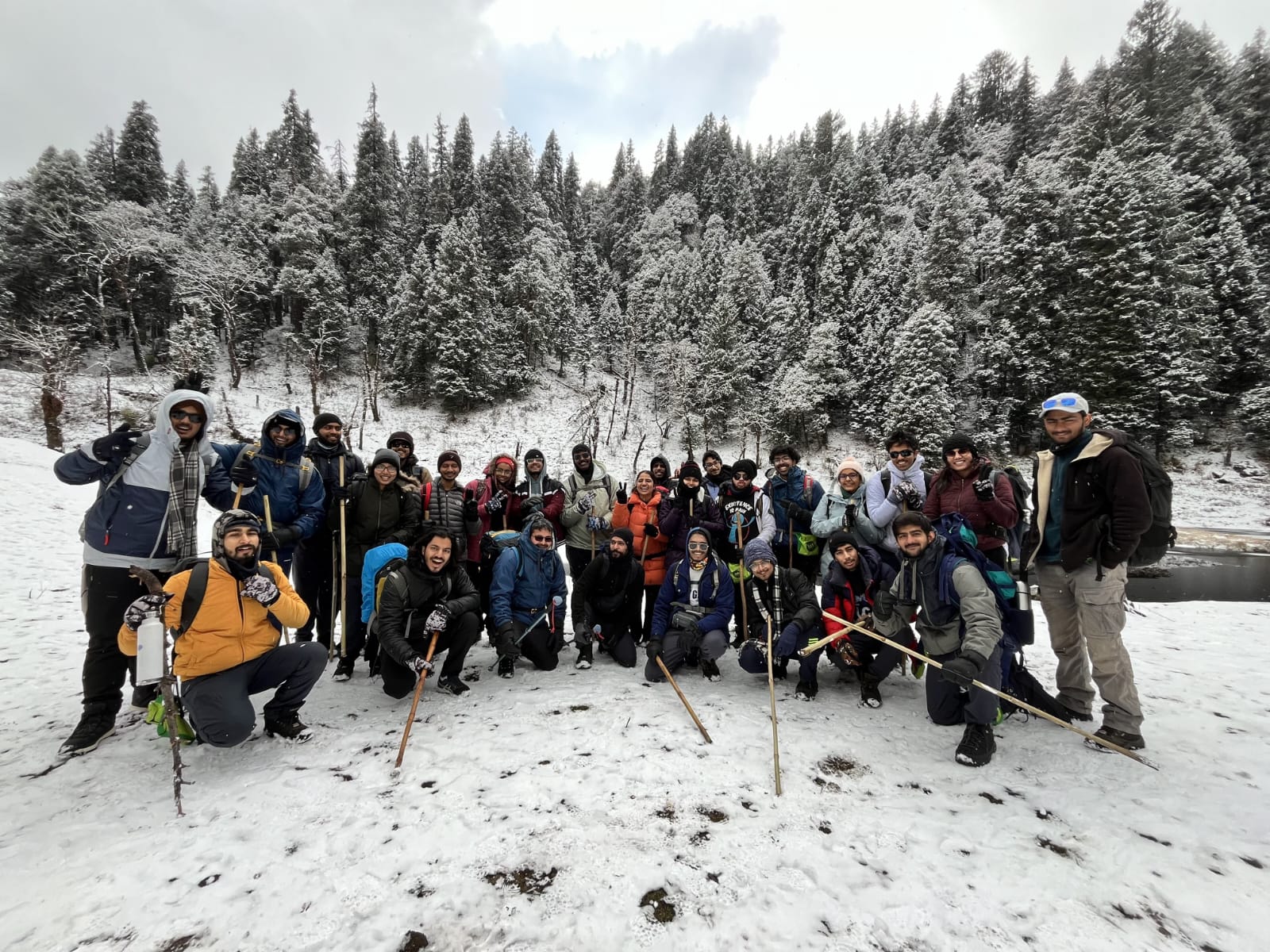
December to February: Choose this window if a winter landscape is your main reason for going. Snow is possible, but no date can guarantee a fully snow-covered trail. January and February can bring very cold nights, and deep or fresh snow may slow the group. Ask about the latest conditions, winter equipment and the plan for a summit-day change in weather.
March and April: Expect a transition. Snow may remain at higher sections while lower forest areas begin to look different. Conditions can vary considerably between weeks and elevations, so check recent reports instead of relying on a fixed month-by-month promise.
October and November: These months can suit trekkers who value crisp air, forest colours and clearer-feeling autumn days more than guaranteed snow. Daylight and night temperatures still matter; pack for cold camps.
The monsoon period brings a different set of concerns, including rain, slippery paths and possible road or route changes. Before paying, ask the trek team what is operating for your chosen dates and what happens if conditions make the original plan unsafe.
A sample six-day Kedarkantha trek itinerary
This is a broad outline based on the commonly described Sankri–Juda Lake–summit route. It is not a promise of exact camps or timings; your confirmed itinerary should reflect current permissions, weather and the operator’s route.
Day 1 — Dehradun to Sankri: Travel by road to Sankri. It is a long mountain drive, so arrive with time to rest rather than planning a same-day onward trek.
Day 2 — Sankri to Juda Ka Talab: Begin the walk through village paths and forest. The climb introduces the altitude gradually, and the campsite location may depend on the itinerary.
Day 3 — Juda Ka Talab to Kedarkantha base camp: Continue through forest and open sections toward the higher campsite. Keep a steady pace, drink regularly and tell your trek leader if you feel unwell.
Day 4 — Summit attempt and descent: The group usually starts before dawn for the summit push, then descends to a lower camp. This is often the longest and most demanding day. The leader may change the plan if weather, snow or a trekker’s condition calls for it.
Day 5 — Descend toward Sankri: Walk down through forest and return to the village area.
Day 6 — Sankri to Dehradun: Drive back. Keep a buffer before onward flights or trains because mountain-road travel can take longer than planned.
How difficult is Kedarkantha—and can a beginner do it?
Kedarkantha is often described as easy to moderate, but “beginner-friendly” does not mean effortless. The summit is around 3,800 metres, the summit day can be long, and winter snow, cold and uneven ground add difficulty. A trekker should be comfortable walking for several hours and climbing steadily with a daypack.
For four to six weeks beforehand, build a routine you can maintain: brisk walks, stairs or gentle uphill walking, plus rest days. You do not need to race. On the trek, follow the leader’s pace, drink water, eat even when you are not very hungry and speak up early about headache, nausea, unusual breathlessness or feeling unwell. Your guide decides whether it is safe to continue.
If you have a medical condition or a concern about altitude, get advice from a qualified clinician before booking. Do not use a summit as the measure of success; turning back when conditions or health require it is responsible trekking.
Kedarkantha trek cost: what should your quote include?
The price depends on the departure, group size, transport, accommodation, meals, permits, equipment and the level of support. A low headline price can leave important parts of the journey outside the package, while a higher quote may include transfers or gear. Compare the written inclusions rather than comparing only the number.
Before you pay, ask whether the quote includes Dehradun–Sankri transfers, meals, stays, local permits, a qualified trek leader, safety equipment and any required winter gear. Confirm what is excluded, how add-ons are priced, how the booking advance works and what the cancellation or date-change rules say. Ask for the final amount and payment schedule in writing.
Prices and inclusions can change by season and departure. Check the current details on our
Kedarkantha trek booking page and contact the team if something in your quote is unclear.
Kedarkantha packing list: warm layers without overpacking
Pack for cold evenings and changing conditions, then confirm the exact kit list with your trek operator. Start with broken-in trekking shoes, warm socks, base layers, insulating mid-layers, a windproof and waterproof outer layer, gloves, a warm cap and sunglasses. Carry a small daypack, refillable water bottle, headlamp with spare power, personal medicines and basic toiletries.
For winter dates, ask whether gaiters, microspikes or other traction equipment are needed and whether the operator provides them. Do not assume a gear rental is included. Keep spare clothes dry in a waterproof liner, and carry only what you can manage comfortably. A useful final check is to lay out each item and ask: is this essential, supplied by the team, or just extra weight?
How to reach Sankri and plan your travel buffer
Most Kedarkantha itineraries begin with a road journey from Dehradun to Sankri. The drive is long, and the last part follows mountain roads, so do not plan a tight same-evening connection after returning. Confirm your pickup point and time, whether the transfer is included, and what happens if road conditions delay the group.
If you are travelling from another city, plan to reach Dehradun before the scheduled pickup and keep flexibility after the trek. Carry a valid photo ID and share your arrival details with the operator. The route or meeting point can change, so use the final trip briefing rather than an old social media post as your source of travel instructions.
Kedarkantha trek FAQs
How many days are needed for Kedarkantha? A six-day plan is a common outline from Dehradun and back, though operators may offer different durations and route sequences.
How high is Kedarkantha summit? It is approximately 3,800 metres (12,500 feet).
Will I definitely see snow? No. Snowfall, temperature and trail coverage vary by year and by date. Ask for current conditions, but treat forecasts as estimates.
Is Kedarkantha suitable for a first trek? It can suit a prepared beginner, but it is a high-altitude trek with a demanding summit day. Build fitness and follow the guide’s safety decisions.
What is the total trek distance? Uttarakhand Tourism gives an approximate 20 km itinerary. Actual distance depends on the route and camps used.
What should I check before booking? Confirm the exact dates, route, inclusions, safety support, equipment, advance payment, remaining balance and cancellation terms in writing.
A better Kedarkantha plan starts with clear expectations
A memorable Kedarkantha trek is built before summit morning: sensible dates, a realistic fitness plan, the right layers and a clear understanding of what your operator provides. Keep the weather in view, stay flexible about the summit and leave enough room in your travel schedule for mountain roads.
If you are ready to compare departures, explore our
Kedarkantha trek details and available dates. For broader planning questions, browse the
Mountain Journal or
contact our Uttarakhand-based team. We would rather help you choose a trip that fits your preparation than promise that one month or one photograph fits everyone.
KEEP EXPLORINGLet the mountains teach you more.
Explore a thoughtful Himalayan journey with our local team.
Explore our treks ↗ 
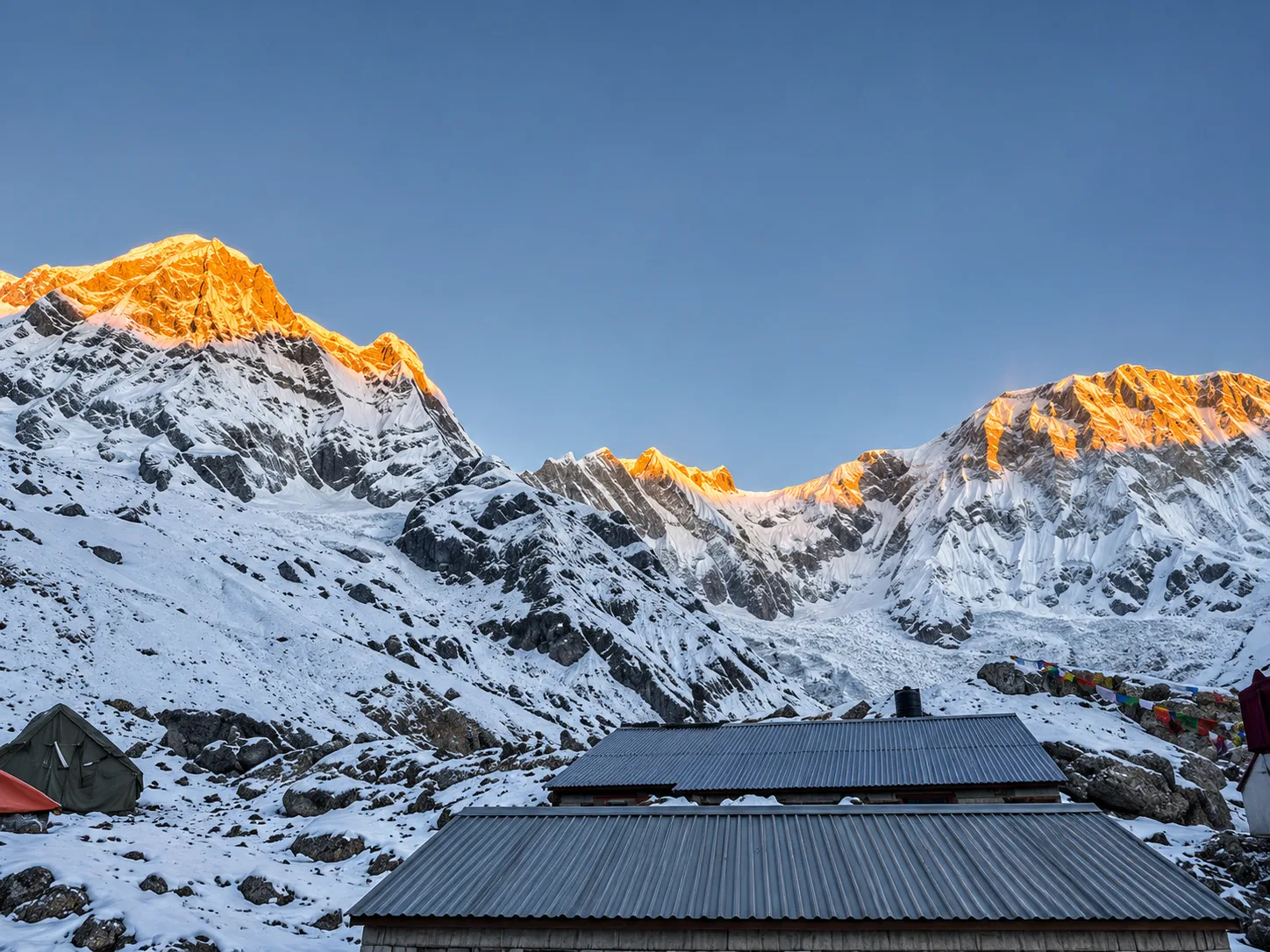 Nepal trek planning
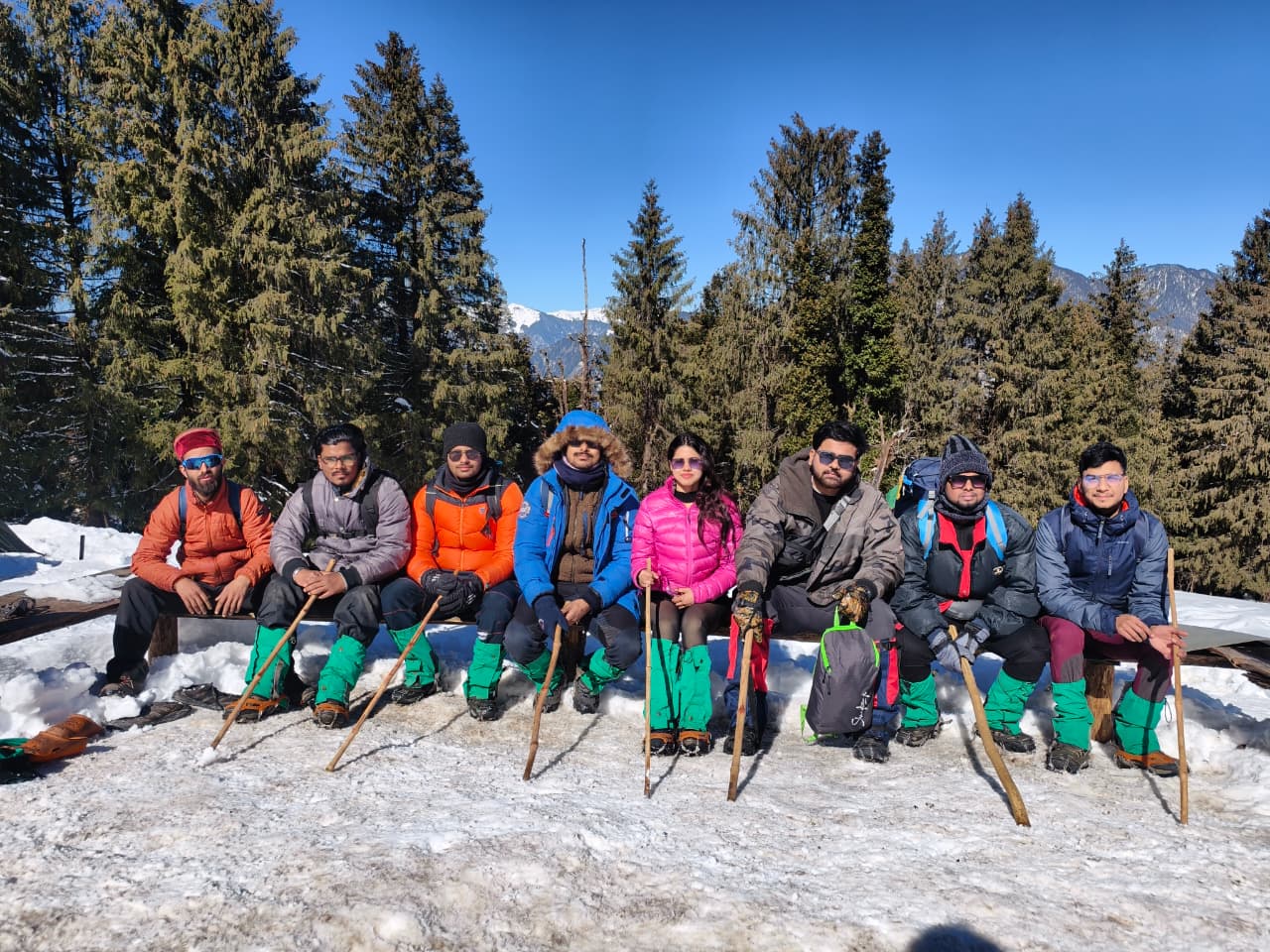 Trek planning
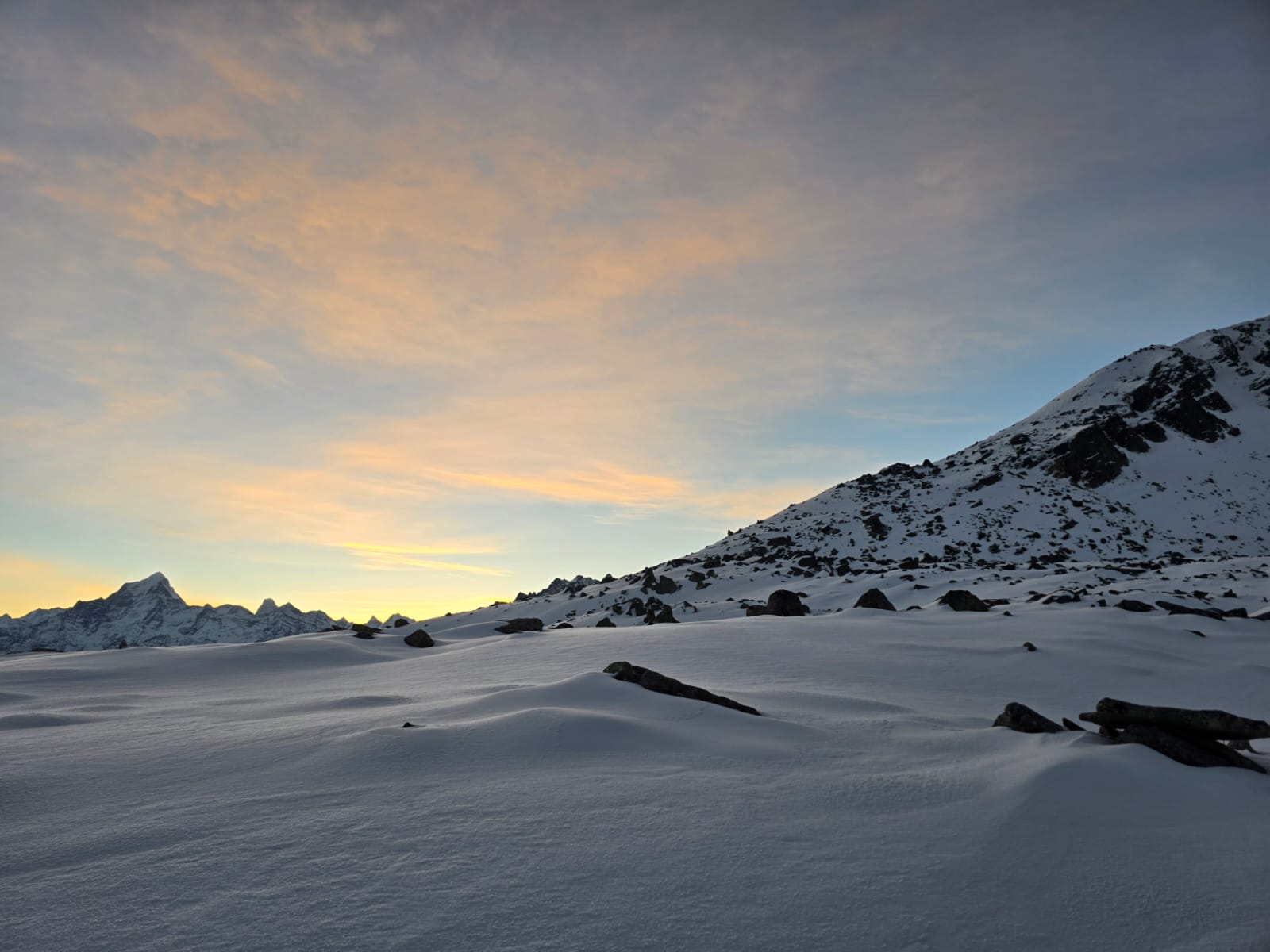 Trek planning
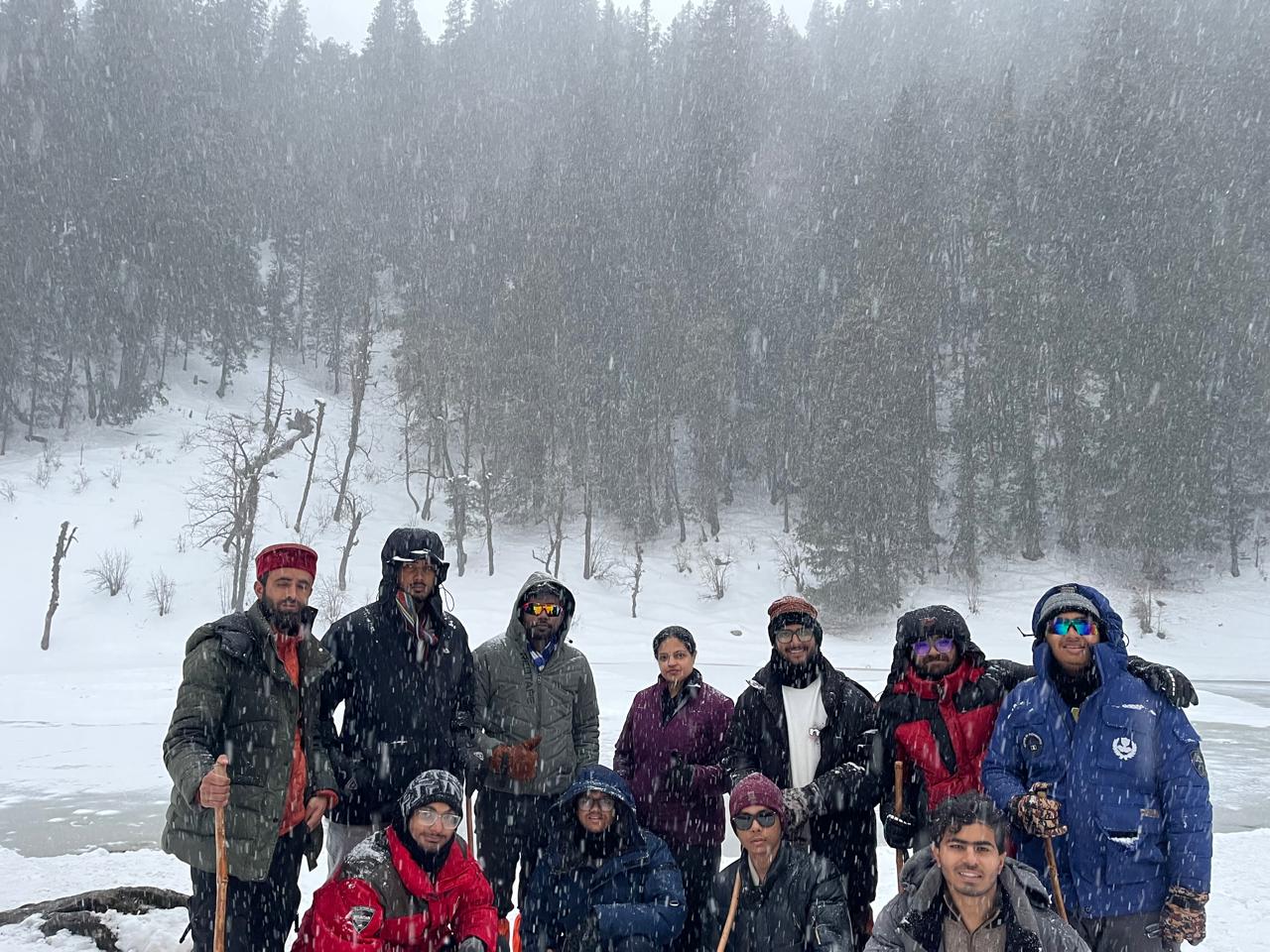 Stories from the trail
 Trek planning
 Trek planning
 Trek planning
